Threaded Comments and the Music Feedback Workflow
Here's a real message. Anyone who has ever sent a demo to a friend has received some version of it:
"yo loving it, the bit around like 1 minute in is sick but somethin feels off later, also the snare 🤔🤔"
You read it three times. Which minute. Which snare. Which "later." You go back to the track, scrub around, guess. You guess wrong. You message back asking. They've moved on. By the time the conversation concludes, half the feedback has evaporated and you've spent two hours not making music.
Your collaborators' feedback is usually fine. The tool they give it on isn't built for music. So feedback drifts to the nearest tool that is, usually whatever messaging app they were already in, and the timing context dies on the way over.
Where Feedback Actually Goes Right Now
If you take ten producers and watch how feedback reaches them on a typical track, you'll see something like this:
- Track goes to the artist over WhatsApp voice memo. They listen on phone speakers, send a memo back saying "love it but the bridge feels long."
- Manager gets a WeTransfer link and replies in email: "Track 3, mix sounds great. One thought on the chorus, can we discuss?"
- The mix engineer leaves notes in the Notes app on their iPhone and pastes them into Slack later, formatted as a list of timestamps.
- The label A&R sends a screen recording of them scrubbing through the track, saying things out loud.
Four people, four tools, four formats. Nobody can see what anybody else said. The producer becomes a human aggregator, manually transcribing all of it into a single document. By the time they sit down to revise, they're already tired, and they're guessing at what each person actually meant.
This is the default. We've all done it. It is also genuinely terrible.
What Feedback Wants to Be
Feedback on music has three properties that text-on-its-own can't carry.
It wants to be anchored. When someone says "this part," they mean a specific moment. A bar, a beat, sometimes a single hit. A timestamp turns "this part" into a click.
It wants to be threaded. A note is rarely the end of the conversation. The producer wants to ask "do you mean the kick or the snare here." The artist wants to say "yes the snare, but only in the second pre-chorus." If the reply lives in a different tool, the thread is dead on arrival.
It wants to persist. Three weeks from now, when you're delivering the master and someone asks "did we ever address the bridge concern", that history needs to be findable. Not buried in someone's DMs.
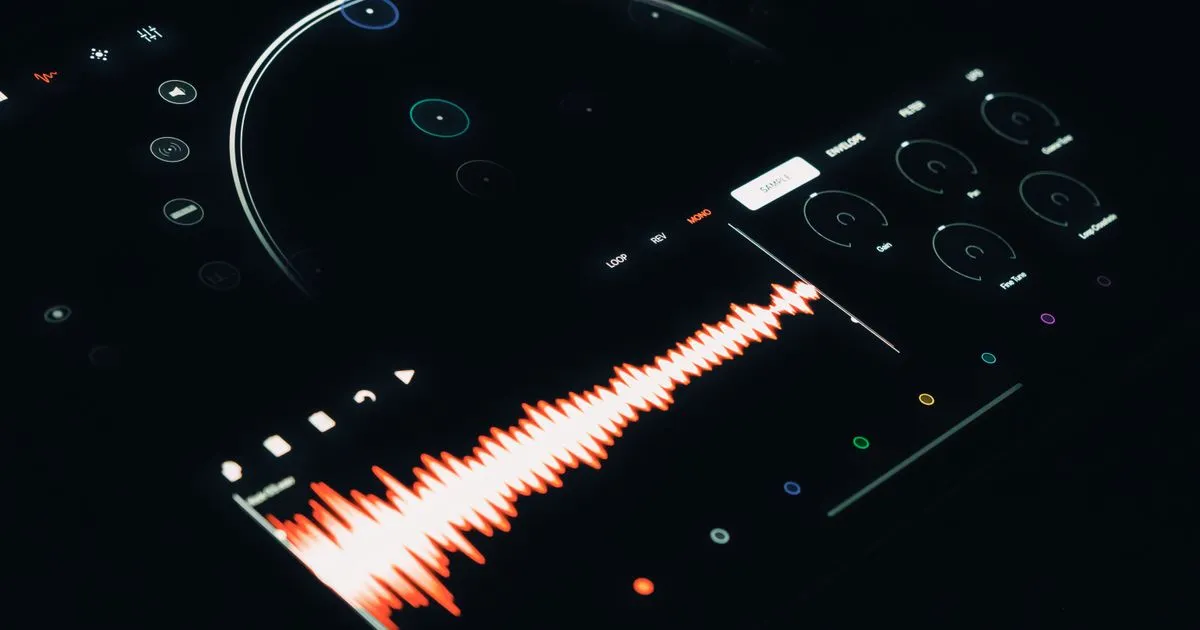
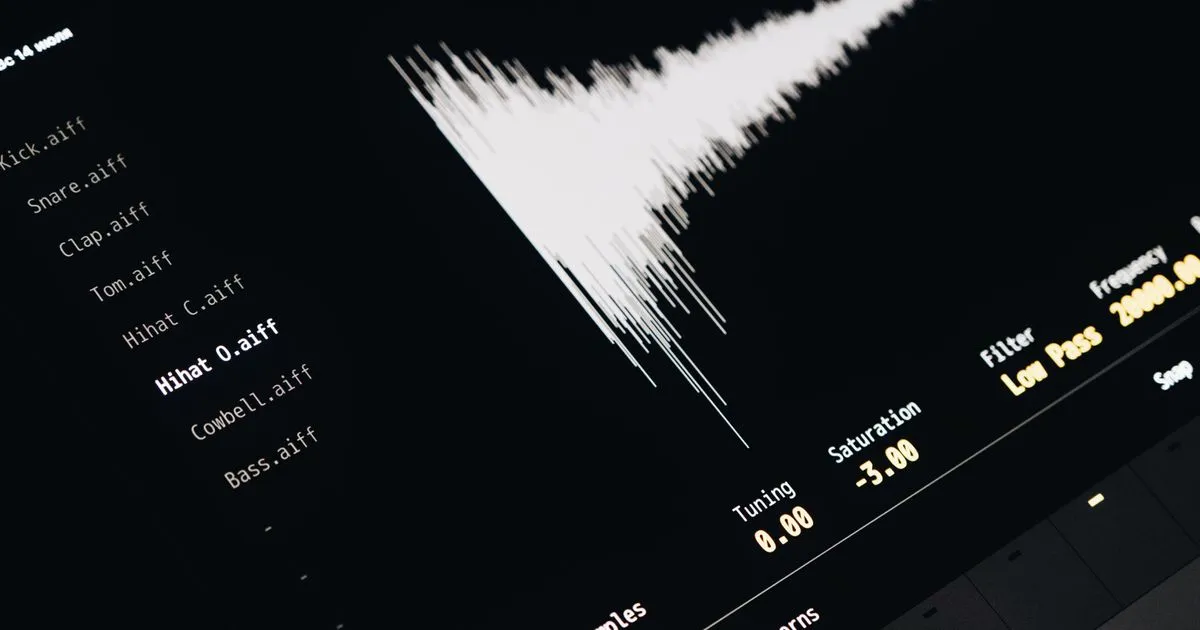
A waveform with comments anchored to it gives you all three. That is the minimum a feedback tool needs.
What the Workflow Looks Like
Once feedback lives on the audio, the workflow gets short:
- You upload a version of the track. The link goes to your collaborators.
- They open it on web or mobile. They listen. When something hits, good or bad, they click and leave a comment at that exact timestamp.
- You see all comments, anchored to their moments, threaded so back-and-forth stays organized.
- You reply inline, mark notes as resolved, push a v2.
- Old comments stay attached to the v1 timeline. Nothing gets lost in the jump between versions.
That's it. There is no "compile feedback from four sources" step because there are no four sources.
What Changes in Practice
A few things that show up immediately when feedback moves onto the waveform.
The "I think I know what they meant" tax goes away. You stop guessing. You click the comment, the playhead jumps, you hear what they heard.
Disagreement happens out loud, in one place. If your manager says "lift the chorus" and your engineer says "the chorus is fine, the verse is too loud", those two comments sit on the same timeline, and you can read them both and resolve the conflict. In the four-tool world, you might never even know the disagreement existed.
Decisions are auditable. Six weeks later, you can look back and see: this note was raised, this was the response, this was the version where it got addressed. That matters when collaborators ask "wait, did we ever fix that thing?" or when a label representative wants to understand how a record evolved.
Lurkers actually contribute. People who would never write a paragraph of feedback will happily click and drop a thirty-character comment at 2:14. The bar to leave useful feedback drops, and the volume of useful feedback goes up.
The Failure Modes (Honest)
Threaded, timestamped feedback isn't a free win. A few things to be aware of.
Comment overload. If you have ten people on a project all clicking and commenting, the timeline can get cluttered. Filter by person or by status when this happens, and start marking resolved threads as resolved so the active conversation stays visible.
Some feedback isn't timestamp-shaped. "The whole track feels too sad" doesn't anchor to a moment. That's fine. Leave it as a project-level comment, not a timeline one. Use the right shape for the right note.
You still need a tiebreaker. Two collaborators leaving conflicting timestamped notes is not a magical solution to disagreement. Someone, usually the producer or the artist, has to make the call. The tool surfaces the conflict; it doesn't resolve it for you.
A Few Habits That Make It Work
The tool helps. The habits help more.
Listen on the device the comment came from. A note about low end from someone reviewing on AirPods Max means something different from the same note from someone on phone speakers. If your collaborators tell you what they listened on, that context shapes the response.
Resolve as you go. Mark threads resolved when you've addressed them. The next time you open the project, the active conversation is what's unresolved, not a wall of forty old notes. This habit alone makes the difference between a useful timeline and a cluttered one.
Keep version notes short. When you push v2, leave a one-liner: "softened the snare in pre-chorus, lengthened the bridge by two bars." Collaborators read that first, then listen, and their feedback gets sharper because they know what changed.
Don't over-thread. Three replies deep is plenty. If a comment thread is turning into a debate, jump on a call, decide, and post the conclusion as a single new comment. Threads are for clarification, not for relitigating every choice.
The Vandall Side
We shipped threaded, timestamped comments because every single creator we talked to described some version of the four-tool problem. It's live across the platform on audio, video, images, and documents, and threads stay nested so replies don't get lost.
If your current feedback workflow is "screenshots of WhatsApp pasted into Notion," try this once:
Upload a track to Vandall, share the link, and ask your collaborators to leave timestamped comments instead of voice memos. Watch what happens to the next round of revisions.
If the track gets better, it will be because the conversation finally stayed in one place long enough for you to act on it.